Earth and Environmental
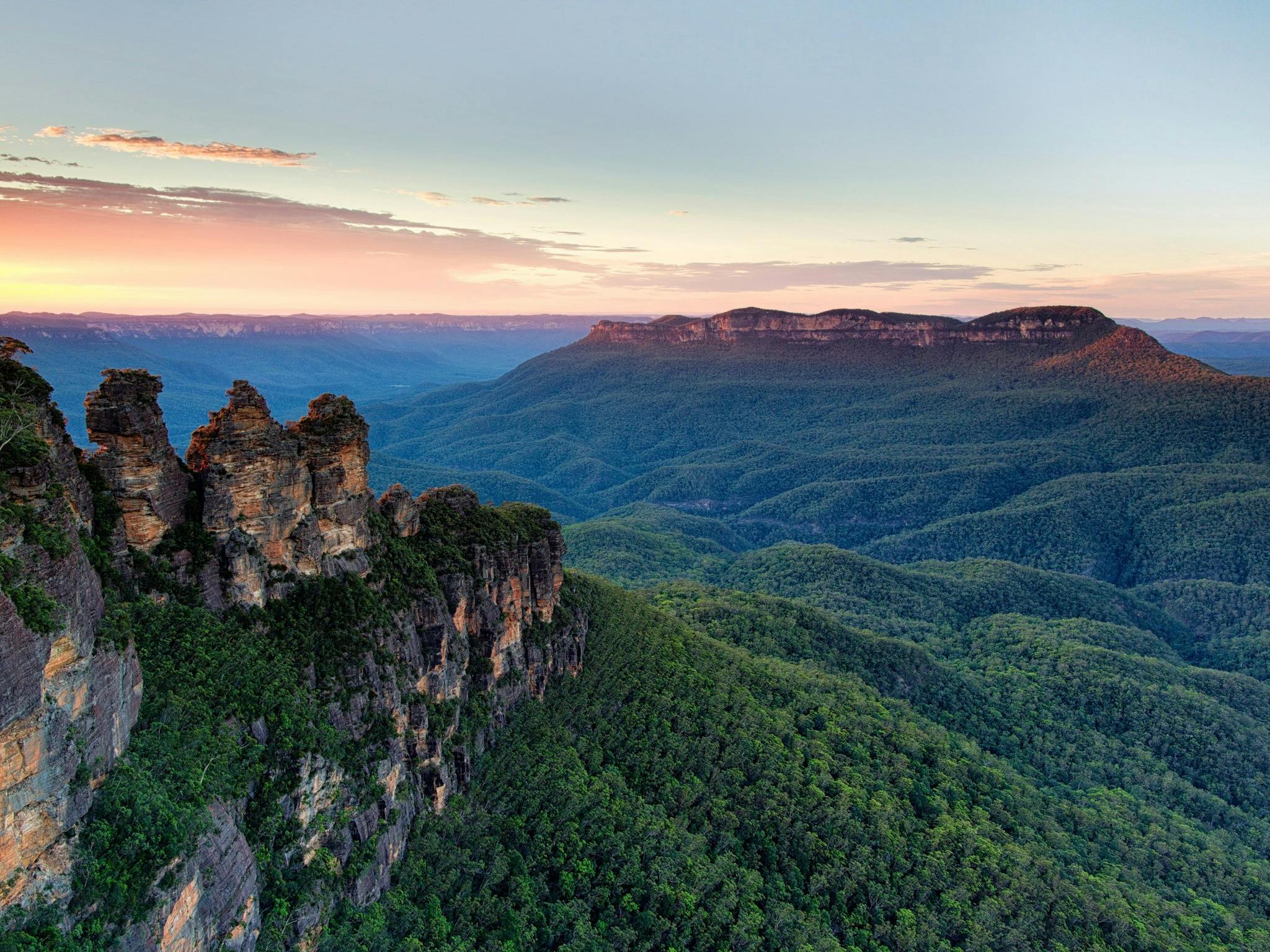
Credit to Visit NSW for the image
Videos:
There are many different types of Earth Sciences. Here are the 3 main types:
Geology
This is the study of rocks, the earth, tectonic plates and more. Geologists aim to uncover the Earth's history and use this to learn about what we can do for Earth in the future.
1. Types of rocks
- Igneous - Formed when molten lava comes out of a volcano. This is the fastest rock formation process. Igneous rocks have crystals, but they can be large or small depending on the speed of cooling.
- Sedimentary - These rocks are formed when sediment erodes from Igneous rocks, and combined with parts of organisms such as shells, the sediment gets exposed to massive pressure on the sea floor. The result is a rock with rounded grains which are bound together.
- Metamorphic - When sedimentary rocks are exposed to immense heat and pressure but not melted. If they (sedimentary or metamorphic rocks) are melted, they form igneous rocks.
Some examples of different rocks:
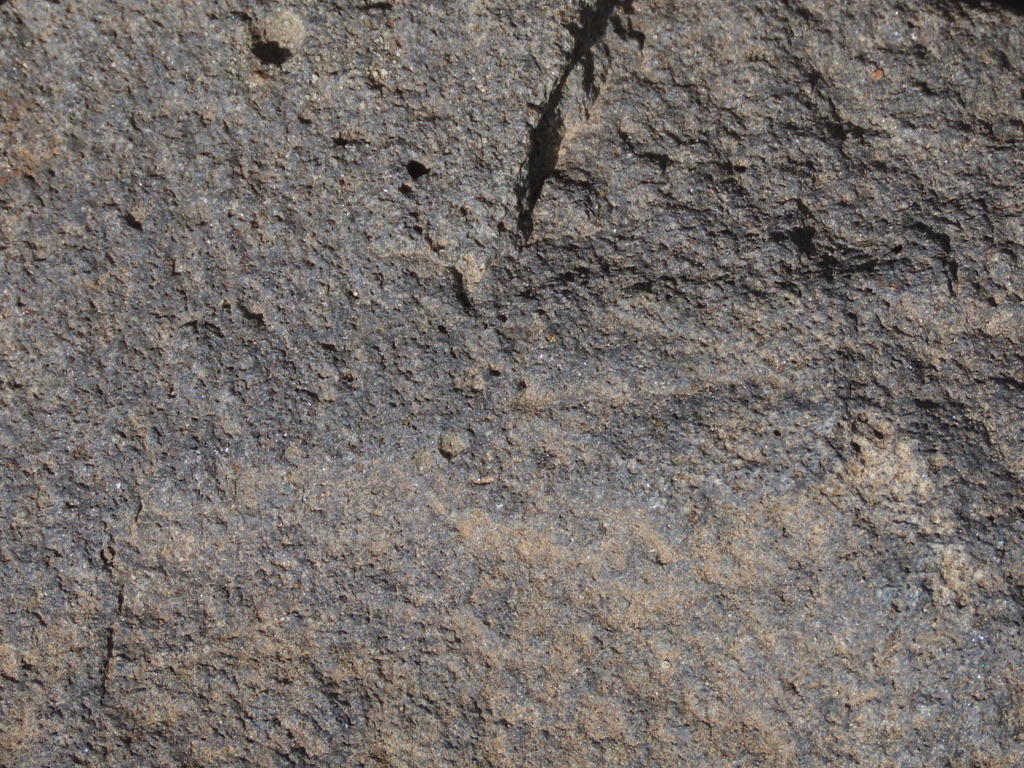
Basalt - an ignous rock with small grains. This is because the molten lava cooled very fast. These are found all over the world.
These pillars are made out of granite - an igneous rock with large grains. This is because the molten lava cooled very slowly. These are found all over the world.
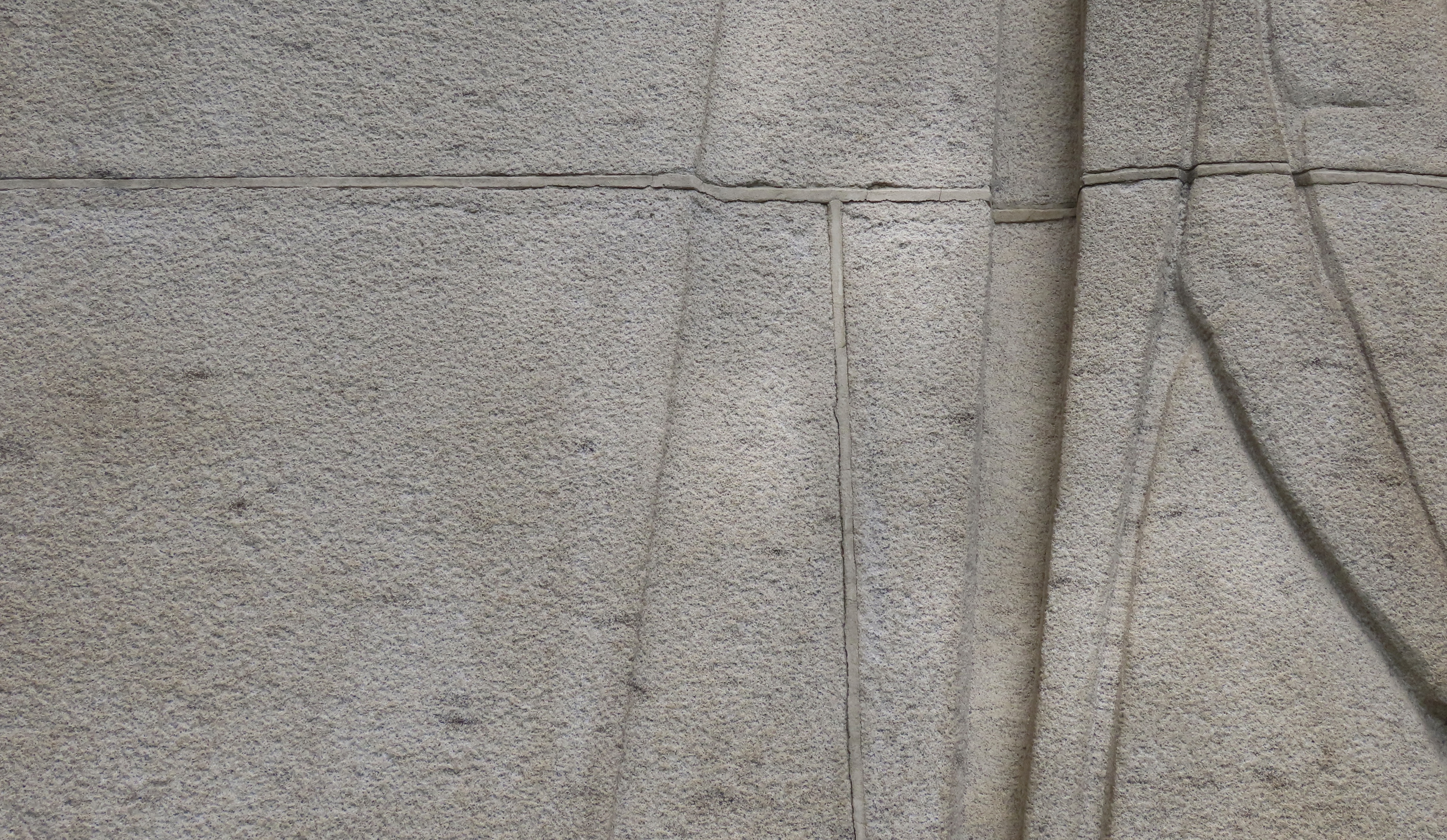
This wall is made out of sandstone - a sedimentary rock. You can see the rounded grains which are bound together.
Tectonic plates
The earth is constantly moving and changing. Tectonic plates grind together, with three types of plate boundaries:
- Convergent - The plates are coming together. One crust is usually forced under the other crust which makes a fault line
- Divergent - The plates move away from each other, forming a rift
- Transform - The plates move alongside each other.